
Comparing Deep Cleaning vs Regular Cleaning for Offices
Comparing Deep Cleaning vs Regular Cleaning for Offices: Expert Insights on Office Cleaning Services in Lansing
By Tracy VanAlstine, Capital City Janitorial
In the realm of office maintenance, understanding the differences between deep cleaning and regular cleaning is crucial for maintaining a healthy and productive work environment. This article delves into the nuances of these two cleaning approaches, highlighting their unique benefits and applications. Readers will learn how each method serves distinct purposes, the frequency with which they should be employed, and the specific advantages they offer to office spaces. As businesses strive to create optimal working conditions, knowing when to implement deep cleaning versus regular cleaning can significantly impact employee health and overall office aesthetics. We will explore key differences, benefits, and considerations specific to office cleaning services in Lansing, providing a comprehensive guide for business owners and facility managers.
Comparison of Deep Cleaning vs. Regular Cleaning for Offices
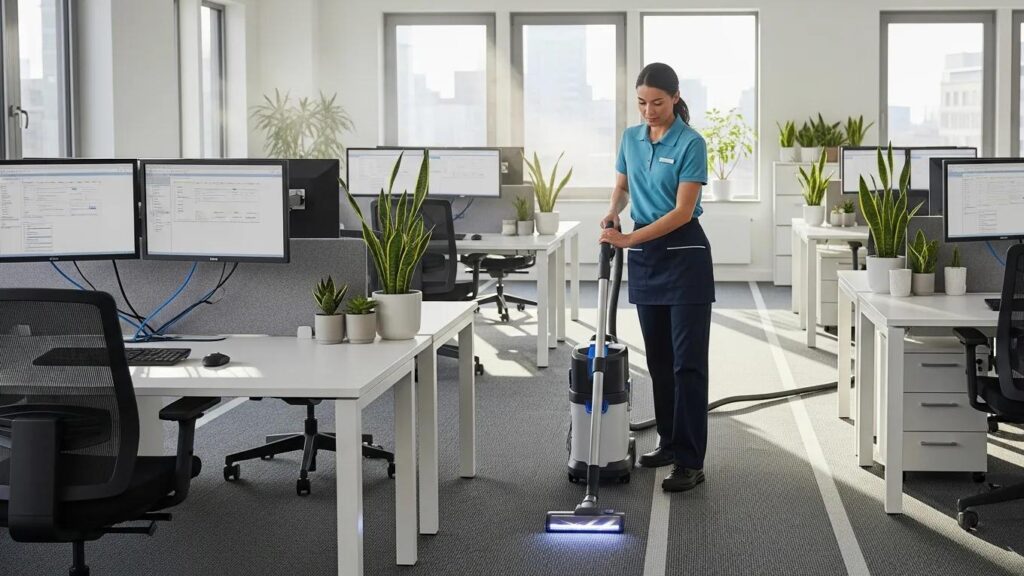
Deep cleaning and regular cleaning serve different functions in maintaining an office environment. Regular cleaning typically involves routine tasks such as dusting, vacuuming, and sanitizing high-touch surfaces. This method focuses on maintaining cleanliness and hygiene on a day-to-day basis. In contrast, deep cleaning is a more thorough process that targets hidden dirt, allergens, and germs that accumulate over time. It includes tasks like carpet shampooing, upholstery cleaning, and detailed sanitization of all surfaces, including those that are often overlooked during regular cleaning.
Understanding these distinctions is essential for businesses to determine which cleaning method best suits their needs. Regular cleaning is ideal for maintaining a clean appearance and hygiene, while deep cleaning is necessary for a comprehensive refresh of the office environment. This knowledge allows businesses to allocate their cleaning resources effectively, ensuring that both methods are utilized appropriately.
Deep vs. Regular Office Cleaning: A Lansing Guide
Scope of Work:
The scope of work for deep cleaning and regular cleaning varies significantly. Regular cleaning focuses on surface-level tasks that are performed frequently, such as:
- Dusting: Removing dust from surfaces like desks, shelves, and electronics.
- Vacuuming: Cleaning carpets and rugs to remove dirt and debris.
- Sanitizing: Disinfecting high-touch areas like doorknobs, light switches, and kitchen surfaces.
In contrast, deep cleaning encompasses a broader range of tasks, including:
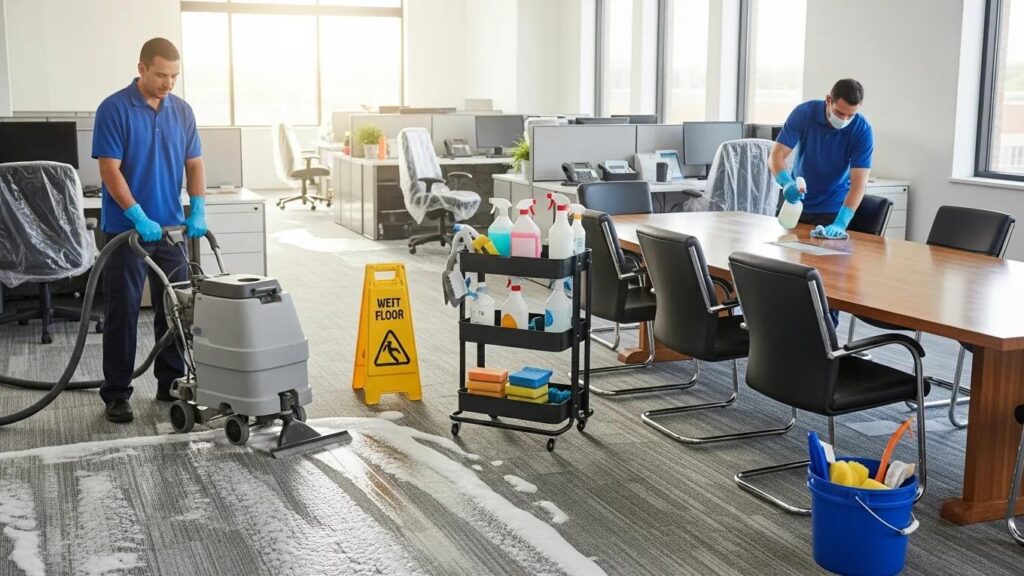
- Carpet Shampooing: Deep cleaning carpets to remove embedded dirt and stains.
- Upholstery Cleaning: Cleaning furniture to eliminate allergens and improve appearance.
- Detailed Sanitization: Thoroughly cleaning and disinfecting all surfaces, including those that are often neglected.
This comprehensive approach ensures that every corner of the office is addressed, promoting a healthier work environment.
Frequency:
The frequency of deep cleaning and regular cleaning also differs. Regular cleaning is typically performed on a daily or weekly basis, depending on the office’s needs. This routine maintenance helps to keep the office looking presentable and hygienic. On the other hand, deep cleaning is recommended less frequently, often on a semi-annual basis. This schedule allows for a thorough cleaning that addresses accumulated dirt and grime, ensuring that the office remains in optimal condition.
Considering seasonal variations, especially during colder months, is crucial for maintaining a truly healthy workspace, as highlighted by expert insights on optimizing office cleaning frequency for winter health.
Optimizing Office Cleaning Frequency for Winter Health
During winter, the right cleaning frequency is the difference between controlled risk and preventable outbreaks. Cleaning schedules that work in spring or summer often fall short during winter. Lower indoor humidity, cooler temperatures, reduced ventilation, and heavier indoor occupancy all combine to extend how long viruses remain active on surfaces. At the same time, employee behavior changes—more shared spaces, longer indoor stays, and higher contact rates. If cleaning frequency does not adjust to these conditions, surface contamination accumulates faster than it is removed. For decision-makers, winter cleaning is no longer just about appearance; it is about risk management, continuity, and workforce stability.
Choosing the Right Cleaning Frequency This Winter
Attention to Detail:
Deep cleaning places a greater emphasis on attention to detail compared to regular cleaning. While regular cleaning may overlook certain areas, deep cleaning targets hidden germs and allergens that can affect employee health. For instance, deep cleaning involves:
- Cleaning Behind Furniture: Ensuring that dust and debris are removed from areas that are not regularly accessed.
- Sanitizing Air Vents: Reducing allergens and improving air quality.
- Detailing Baseboards and Trim: Enhancing the overall appearance of the office.
This meticulous approach not only improves cleanliness but also contributes to a healthier work environment.
Benefits:
Healthier Environment:
One of the primary benefits of deep cleaning is the creation of a healthier office environment. Regular cleaning may not eliminate all allergens and germs, but deep cleaning effectively removes these harmful elements. By targeting hidden dirt and bacteria, deep cleaning helps to improve indoor air quality and reduce the risk of illness among employees. This is particularly important in office settings where many individuals share common spaces.
Enhanced Appearance:
Deep cleaning significantly enhances the appearance of an office. By restoring shine to surfaces and removing stubborn stains, deep cleaning creates a more professional atmosphere. This improved appearance can positively impact employee morale and impress clients and visitors. A clean and well-maintained office reflects a commitment to professionalism and attention to detail.
Preventive Maintenance:
Deep cleaning serves as a form of preventive maintenance for office spaces. By addressing deep-seated dirt and grime, businesses can extend the lifespan of their assets, such as carpets, furniture, and equipment. This proactive approach can lead to cost savings in the long run, as it reduces the need for frequent replacements and repairs.
For businesses in Lansing, utilizing professional cleaning services like Capital City Janitorial LLC can ensure that both deep cleaning and regular cleaning are performed to the highest standards. Their expertise in commercial cleaning solutions allows for tailored cleaning plans that meet the specific needs of each office.
Considerations Specific to Office Cleaning Services in Lansing:
When selecting cleaning services in Lansing, businesses should consider several factors. Customization of services is essential to address the unique challenges faced by local offices. Additionally, expertise in local cleaning challenges, such as seasonal allergens or specific industry requirements, can enhance the effectiveness of cleaning efforts. Eco-friendly practices are also becoming increasingly important, as businesses seek to minimize their environmental impact while maintaining a clean workspace.
What Are the Key Differences Between Deep Cleaning and Regular Office Cleaning?
The key differences between deep cleaning and regular office cleaning lie in their definitions, processes, and recommended frequencies. Regular cleaning focuses on maintaining cleanliness through routine tasks, while deep cleaning involves a comprehensive approach that targets hidden dirt and allergens. Understanding these differences allows businesses to make informed decisions about their cleaning strategies.
How Do Deep Cleaning and Regular Cleaning Processes Differ?
The processes involved in deep cleaning and regular cleaning differ significantly. Regular cleaning typically includes surface-level tasks performed on a routine basis, while deep cleaning involves a thorough examination of all areas within the office. This includes specialized techniques and equipment to ensure that every corner is addressed, resulting in a more comprehensive clean.
What Cleaning Frequency Is Recommended for Each Service?
For regular cleaning, a daily or weekly schedule is recommended to maintain cleanliness and hygiene. In contrast, deep cleaning should be performed semi-annually, depending on the office’s specific needs. This frequency allows for a thorough refresh of the office environment, ensuring that it remains in optimal condition.
What Are the Benefits of Deep Cleaning for Commercial Offices in Lansing?
Deep cleaning offers several benefits for commercial offices in Lansing, including:
- Health Advantages: Reducing allergens and improving air quality.
- Cost-Effectiveness: Extending the lifespan of office assets through preventive maintenance.
- Impact on Employee Productivity: A clean and organized workspace can enhance focus and efficiency.
These benefits highlight the importance of incorporating deep cleaning into regular office maintenance schedules.
How Does Deep Cleaning Improve Office Hygiene and Employee Health?
Deep cleaning improves office hygiene by effectively removing allergens, bacteria, and other harmful elements that can affect employee health. By targeting hidden areas and utilizing specialized cleaning techniques, deep cleaning ensures that the office environment is safe and conducive to productivity.
Why Choose Professional Deep Cleaning Services Over Regular Cleaning?
Choosing professional deep cleaning services offers several advantages, including:
- Expertise in Cleaning: Professionals have the knowledge and experience to perform thorough cleaning effectively.
- Quality Assurance: Professional services ensure that cleaning standards are met consistently.
- Tailored Solutions: Cleaning plans can be customized to meet the specific needs of each office.
These factors make professional deep cleaning services a valuable investment for businesses seeking to maintain a clean and healthy work environment.
How Do Office Deep Cleaning Costs Compare to Regular Cleaning Services?
The costs associated with office deep cleaning typically differ from those of regular cleaning services. Deep cleaning may require more time and specialized equipment, leading to higher costs. However, the long-term benefits, such as extended asset lifespan and improved employee health, often outweigh the initial investment.
What Factors Influence Pricing for Deep and Regular Cleaning?
Several factors influence the pricing of deep and regular cleaning services, including:
- Size of the Office: Larger spaces require more time and resources to clean.
- Frequency of Cleaning: Regular contracts may offer discounted rates compared to one-time services.
- Specific Services Required: Additional services, such as carpet cleaning or window washing, can impact overall pricing.
Understanding these factors can help businesses budget effectively for their cleaning needs.
How Can Businesses Optimize Cleaning Budgets with Customized Plans?
Businesses can optimize their cleaning budgets by implementing customized cleaning plans that address their specific needs. This includes conducting an initial assessment to identify areas that require more attention and adjusting cleaning frequencies accordingly. Flexible scheduling options and preventive maintenance strategies can also contribute to cost savings over time.
How to Choose the Right Commercial Cleaning Company in Lansing for Your Office?
When selecting a commercial cleaning company in Lansing, businesses should consider:
- Experience and Expertise: Look for companies with a proven track record in office cleaning.
- Customized Cleaning Plans: Ensure that the company can tailor services to meet specific needs.
- Quality Assurance Measures: Inquire about the company’s quality control processes to ensure consistent results.
These criteria can help businesses find a reliable cleaning partner that meets their unique requirements.
What Criteria Should You Use to Evaluate Janitorial Service Providers?
Evaluating janitorial service providers involves considering several key criteria:
- Range of Services Offered: Ensure the provider can meet all cleaning needs.
- Customer Satisfaction Ratings: Look for reviews and testimonials from previous clients.
- Insurance and Bonding: Verify that the provider is properly insured and bonded for peace of mind.
These factors can help businesses make informed decisions when selecting a cleaning service.
How Does Capital City Janitorial LLC Meet Local Office Cleaning Needs?
Capital City Janitorial LLC addresses local office cleaning needs by offering tailored cleaning plans that consider the unique challenges faced by businesses in Lansing. Their expertise in commercial cleaning solutions ensures that offices receive the highest quality service, promoting a clean and healthy work environment.
What Are the Latest Trends in Office Cleaning: Green and Disinfection Services?
Current trends in office cleaning emphasize the importance of green cleaning practices and effective disinfection services. Businesses are increasingly seeking eco-friendly cleaning solutions that minimize environmental impact while ensuring a clean workspace. Disinfection services have also gained prominence, particularly in light of recent health concerns, as they help to reduce the spread of germs and viruses in office settings.
How Are Disinfection and Sanitization Integrated into Deep Cleaning?
Disinfection and sanitization are integral components of the deep cleaning process. Professional cleaning services utilize specialized products and techniques to ensure that high-touch areas are thoroughly disinfected. This focus on sanitization helps to create a safer office environment for employees and visitors alike.
Why Is Green Cleaning Important for Modern Commercial Offices?
Green cleaning is essential for modern commercial offices due to its numerous health and environmental benefits. Eco-friendly cleaning products reduce exposure to harmful chemicals, promoting better indoor air quality. Additionally, sustainable practices align with corporate social responsibility goals, enhancing a company’s reputation and appeal to environmentally conscious clients.
What Are Common Questions About Office Deep Cleaning Answered?
Common questions about office deep cleaning include:
- What are the benefits of deep cleaning?: Deep cleaning improves air quality and reduces allergens.
- How often should offices undergo deep cleaning?: It is recommended to deep clean offices semi-annually.
- What does a typical deep cleaning include?: Deep cleaning encompasses thorough cleaning of carpets, upholstery, and all surfaces.
These FAQs provide valuable insights for businesses considering deep cleaning services.
How Often Should Offices Undergo Deep Cleaning?
Offices should undergo deep cleaning at least semi-annually, although the frequency may vary based on factors such as office size, employee count, and specific cleaning needs. Regular assessments can help determine the optimal schedule for deep cleaning to maintain a healthy work environment.
What Does a Typical Deep Cleaning Include Compared to Regular Cleaning?
A typical deep cleaning includes comprehensive tasks such as carpet shampooing, upholstery cleaning, and detailed sanitization of all surfaces. In contrast, regular cleaning focuses on routine tasks like dusting and vacuuming. Understanding these differences helps businesses choose the right cleaning approach for their needs.